
Embrace sustainable business growth
with ISO standards that meet UN SDGs
As the world grows more cognisant of climate change and its devastating effects, it is imperative for every company of any size to focus on sustainability as a primary goal. Whether you are a manufacturer or consumer, supplier or vendor, incorporating sustainable business practices will show your employees as well as your customers and clients that you are aware of the choices you are making and of the impact your business has on the environment and the planet as a whole. To this end, there are many ISO Standards that are tied to various UN Sustainable Development Goals (SDGs). The UN SDGs address a variety of environmental, economic and societal dimensions, which can be covered by implementing various Management System Standards as recommended by ISO. Shahi Enterprises will help you discover which ISO Standards are most suited for your business and which UN SDGs you can contribute to as a result.

UN SDG 1: No Poverty: End poverty in all its forms everywhere
Overall, 343 ISO Standards contribute to UN SDG 1. In essence, by promoting good business practices and encouraging ethical and sustainable processes wherever possible, many ISO Standards contribute towards this lofty goal of ending poverty in all spheres. Two prominent standards include ISO 20400 (Sustainable procurement) and ISO 37001 (Anti-bribery management systems).
UN SDG 2: Zero Hunger: End hunger, achieve food security and improved nutrition and promote sustainable agriculture
There are hundreds of ISO Standards that deal with food safety, food production, agriculture and sustainable purchasing, thereby covering the goals of UN SDG 2. In total, at least 500 Standards comply with the requirements of this Goal, including the ISO 22000 family of standards, which specifically focus on food safety management; ISO 26000, which deals with social responsibility; and ISO 20400, which is concerned with sustainable procurement.


UN SDG 3: Good Health and Well-being: Ensure healthy lives and promote well-being for all at all ages
The International Standards Organization recognizes that access to good-quality healthcare is an essential right of all human beings. Therefore, there are numerous standards that govern ethical and safe medical practices as well as medical equipment. Some specific standards include the ISO 11137 series, which deals with proper sterilization of medical products, and the ISO 7153, which covers materials used for surgical equipment.
UN SDG 4: Quality Education: Ensure inclusive and equitable quality education and promote lifelong learning opportunities for all
ISO 21001 was developed as the first-ever standard that deals with education specifically to deal with the issue of providing good-quality education to all, thus immediately tying itself to this UN SDG. This standard is aimed at educational institutions to encourage them to improve their processes as well as their quality. There are also many standards that cover learning services that don’t fall within the remit of ‘formal’ education, such as ISO 29993, which deals with vocational training as well as in-company in-house or outsourced training.
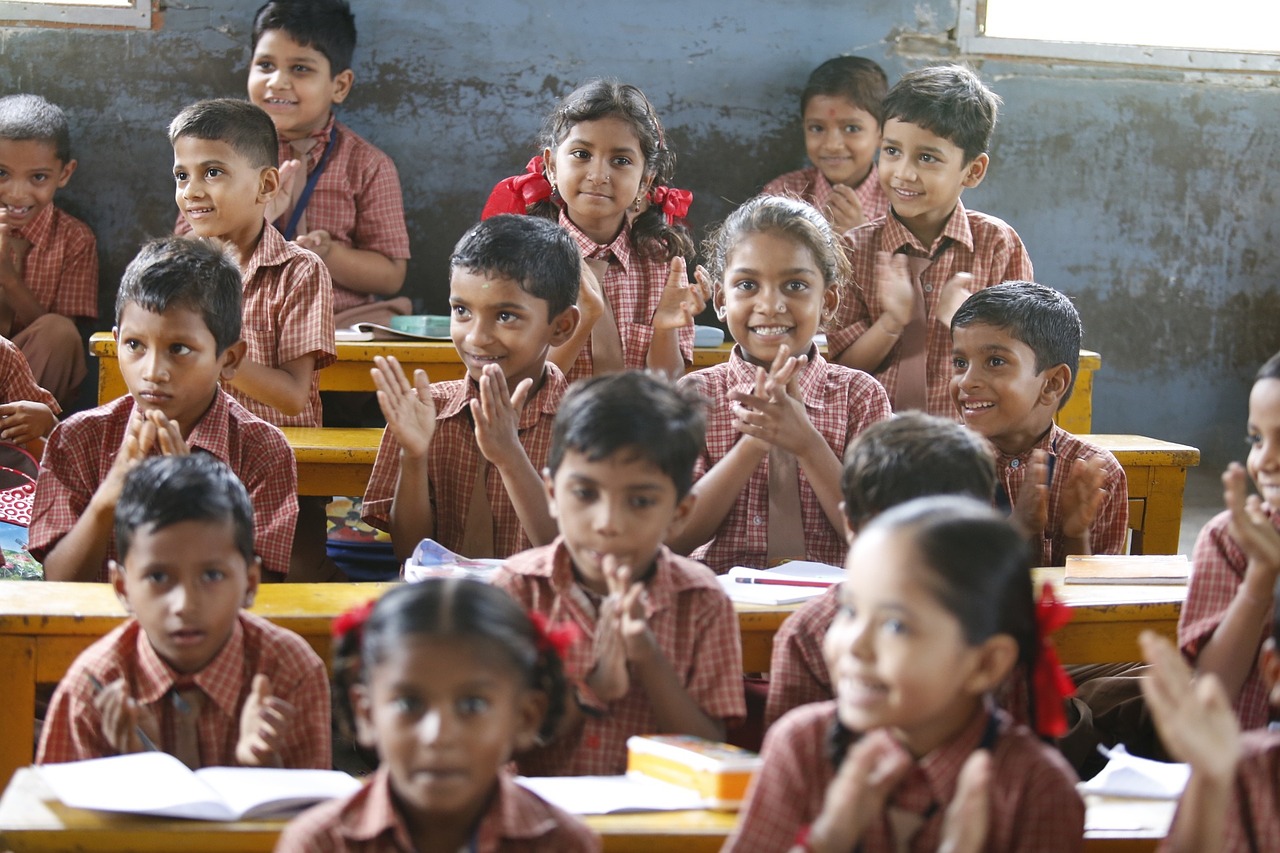

UN SDG 5: Gender Equality: Achieve gender equality and empower all women and girls
Nearly 200 ISO Standards support this SDG. Particularly, the empowerment of women and their equal representation in society is a key tenet of ISO 26000, which deals with social responsibility. Among other guidelines, this standard recommends that companies have a balanced mix of men and women in their governance and management structures, and ensure that both men and women are treated equally in recruitment, compensation and job opportunities.
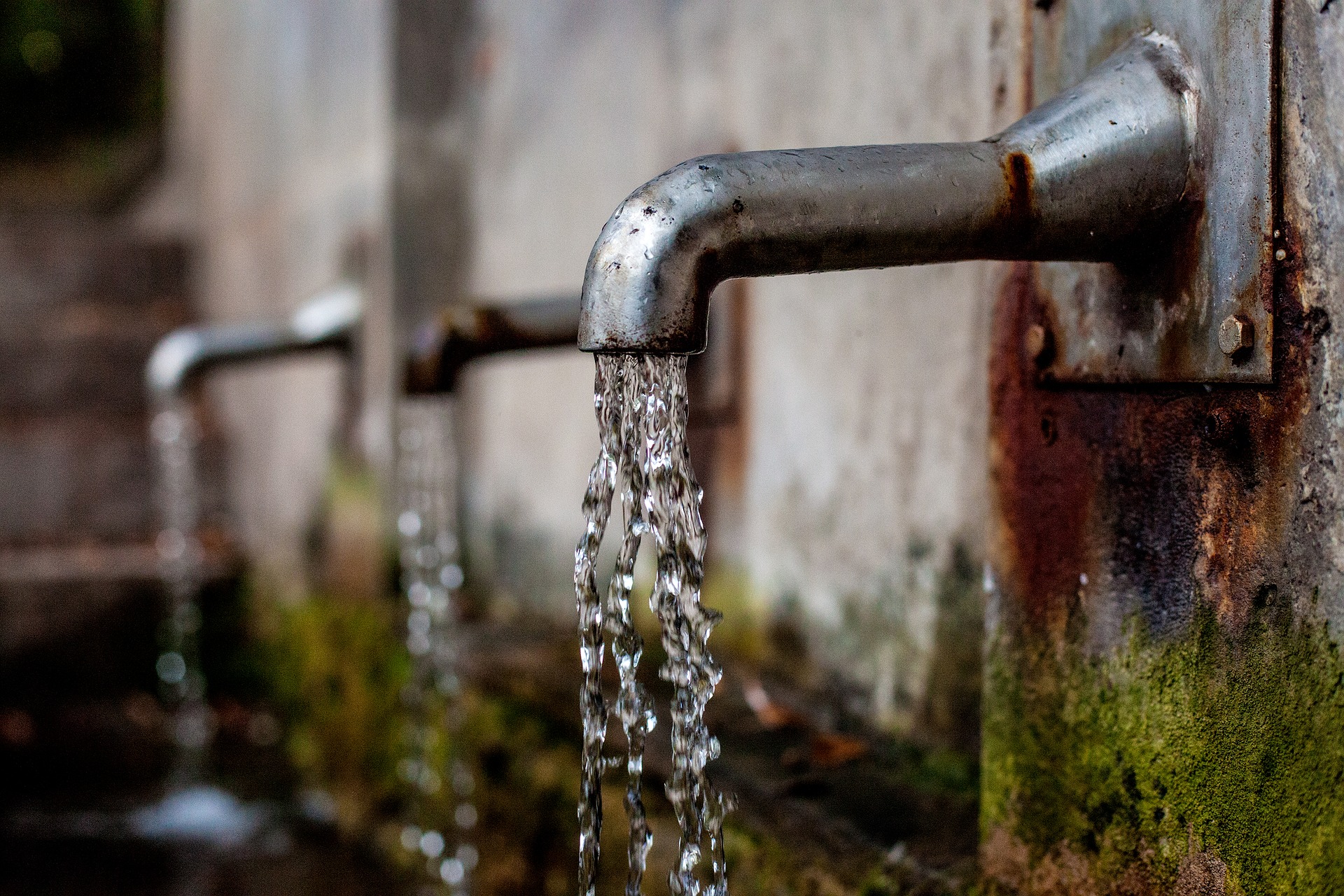
UN SDG 6: Clean Water and Sanitation: Ensure availability and sustainable management of water and sanitation for all
There are 548 ISO Standards that comply with this specific UN SDG. In particular, standards like ISO 24518 helps communities manage their drinking and waste water resources during the occurrence of a crisis, while ISO 24521 gives guidelines on how to maintain basic domestic wastewater services on-site.

UN SDG 7: Affordable and Clean Energy: Ensure access to affordable, reliable, sustainable and modern energy for all
There are more than 200 ISO Standards that deal with renewable energy as well as energy efficiency across multiple sectors. Some of them deal with the inter-operability of devices whereas others encourage the movement towards using only renewable sources of energy. For example, ISO 50001 encourages organizations to use an energy management system to increase energy efficiency, while the ISO 52000 family is concerned with the energy performance of buildings, thereby focusing on the construction industry.
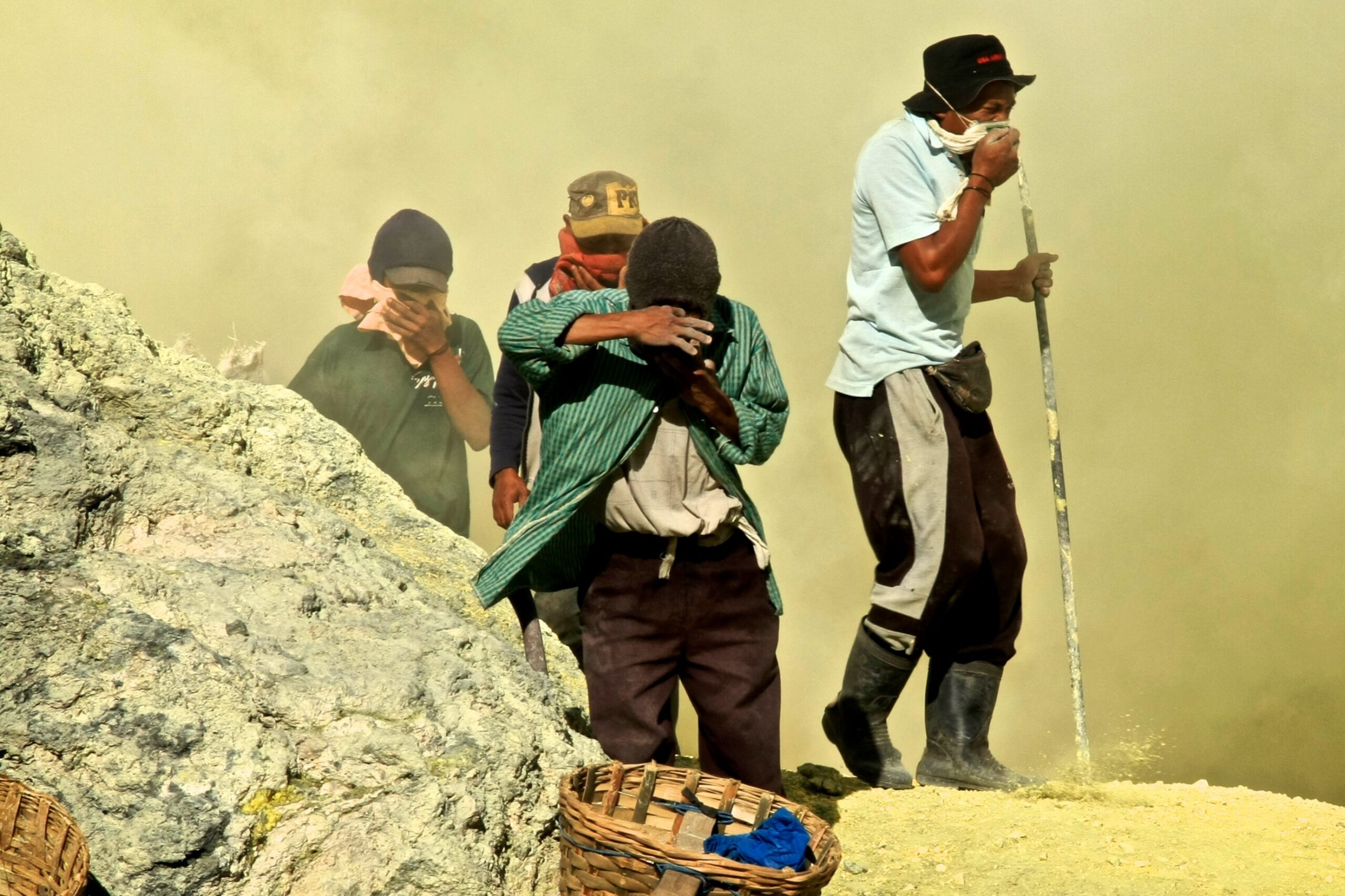
UN SDG 8: Decent Work and Economic Growth: Promote sustained, inclusive and sustainable economic growth, full and productive employment and decent work for all
Every ISO Standard in some way contributes to sustainable economic growth across sectors by encouraging ethical business practices and common regulations and guidelines that can be followed internationally. Specifically, more than 2,400 standards apply to UN SDG 8, including ISO 45001, which deals with occupational health and safety management systems, and ISO 37001, which focuses on anti-bribery management systems.

UN SDG 9: Industry, Innovation and Infrastructure: Build resilient infrastructure, promote inclusive and sustainable industrialization and foster innovation
In all, more than 12,500 ISO Standards support sustainable industrialization, boosting the confidence and trustworthiness of both companies and vendors across a range of products and services. Further, specific standards or families like ISO 44001, which encourages collaborative business relationship management systems, and ISO 56002, which deals with innovation management systems, help companies capitalize on their innovation and collaboration potential.
UN SDG 10: Reduced Inequalities: Reduce inequality within and among countries
By and large, ISO Standards help to reduce inequality because they serve as a common set of guidelines. Further, the ISO Strategy 2016-2020 directly concerns itself with how developing countries can develop their capacities for strategy, expertise and policy relationships, ensuring that they can participate in global standardization. ISO 26000, for example, deals with how companies can cooperate with social responsibility at the core, while also focusing on equal opportunities and non-discrimination.

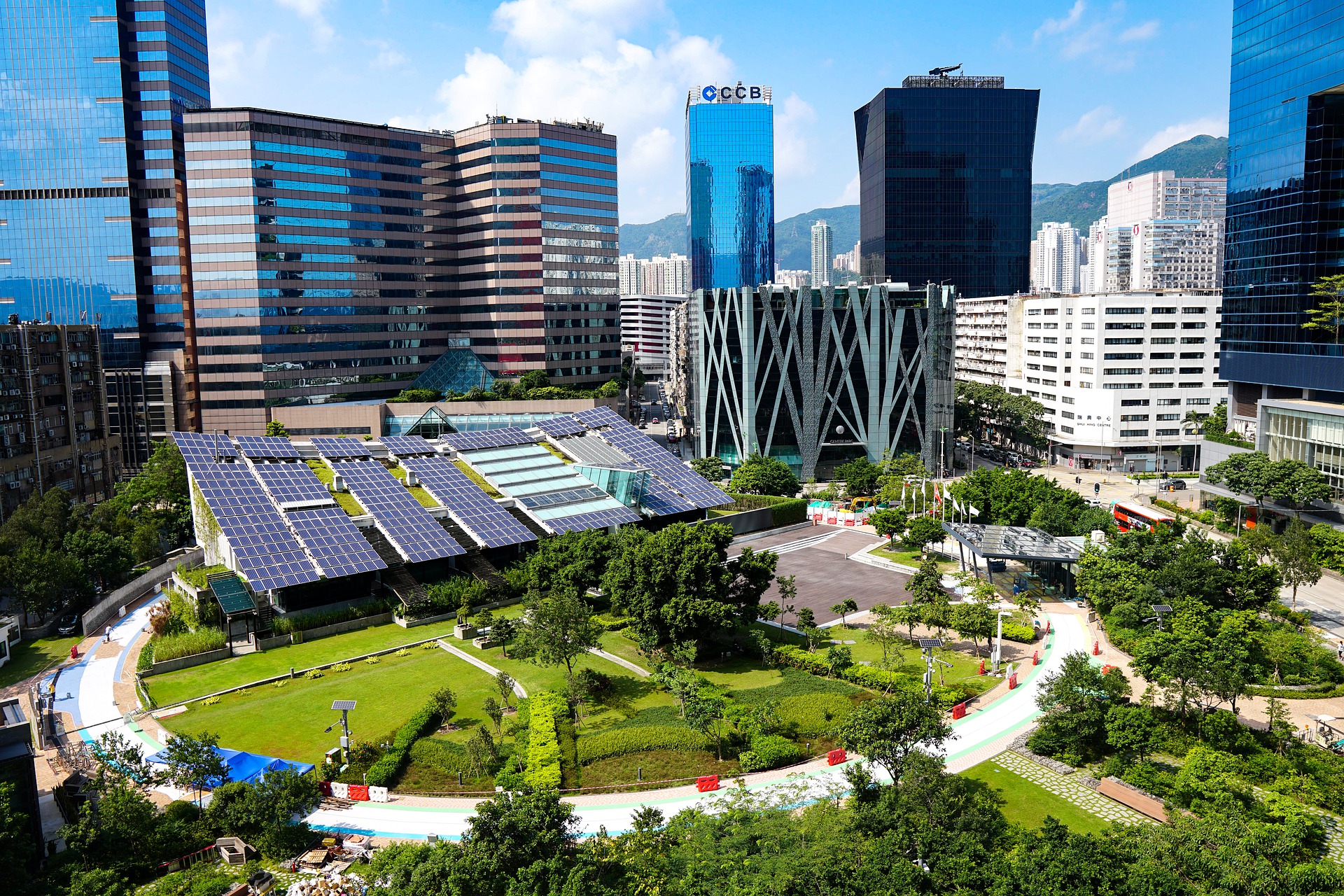
UN SDG 11: Sustainable Cities and Communities: Make cities and human settlements inclusive, safe, resilient and sustainable
Responsible resource utilization, environmental preservation and improving well-being are the avowed end goals for ISO/TC268, which focuses on sustainable cities and communities. Flagship standards include ISO 37101, which helps communities define sustainable development objectives and ISO 37120, which deals with city services and quality of life. In all, there are more than 2,330 standards that apply to various sector such as transport, water management and community resilience.
UN SDG 12: Responsible Consumption and Production: Ensure sustainable consumption and production patterns
More than 2,500 ISO Standards help companies to meet UN SDG 12. They do so by reducing the environmental impact of business activities, encouraging the adoption of renewable energy sources, and promoting responsible purchasing and consumption. ISO 20400, dealing with sustainable procurement; ISO 14020, dealing with environmental labelling; and ISO 15392, dealing with sustainability in building construction, are just some examples.
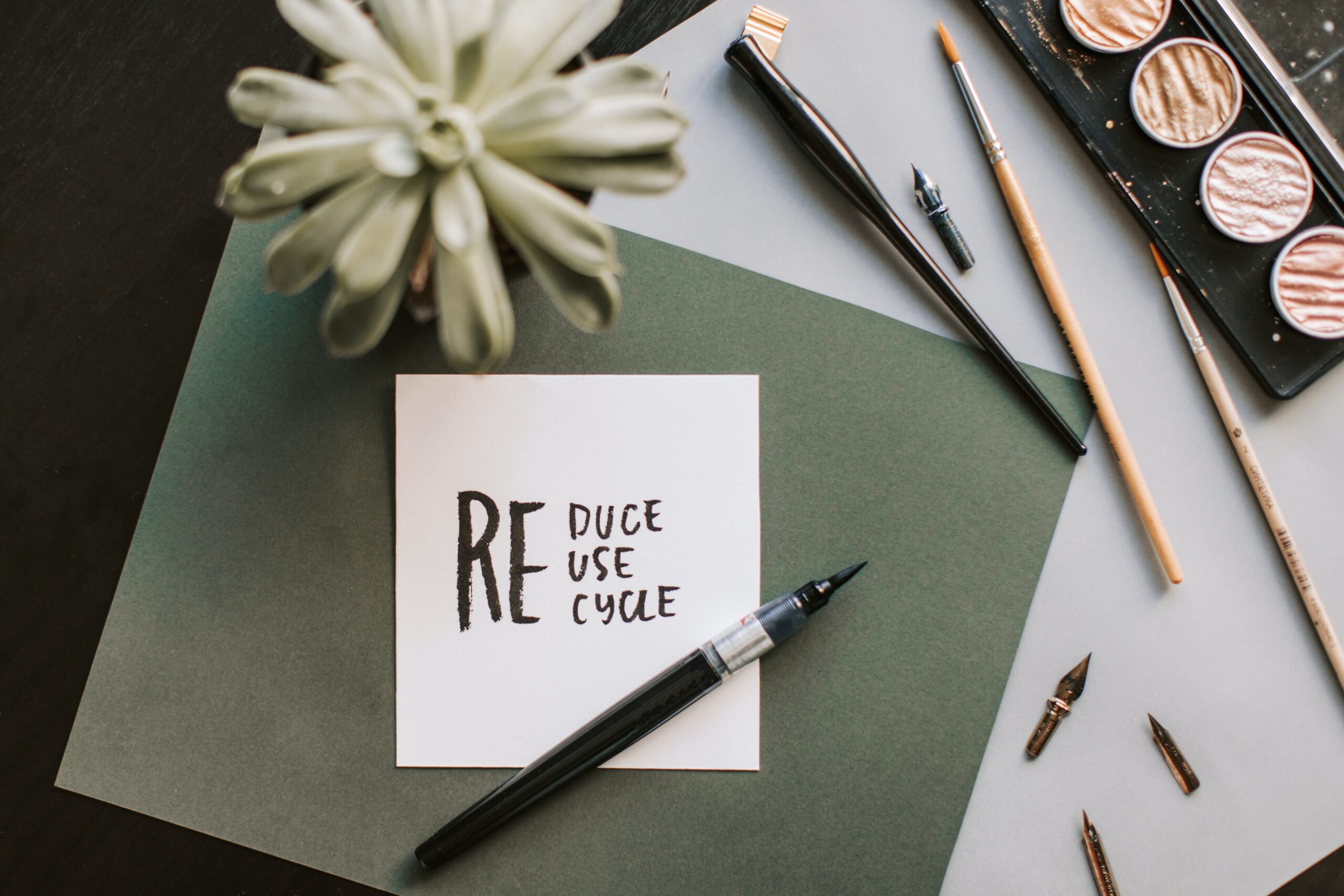

UN SDG 13: Climate Action: Take urgent action to combat climate change and its impacts
ISO recognizes the need for every company to do its bit towards combating climate change. Specifically, the ISO 14000 family, which deals with environmental management systems, contains multiple standards that outline how companies can minimize the environmental impact of their actions. Within this family, one of the most important is ISO 14001, which covers everything companies need to do to reduce the effects of climate change and effectively combat it. In total, more than 1,000 ISO Standards apply to this particular UN SDG.
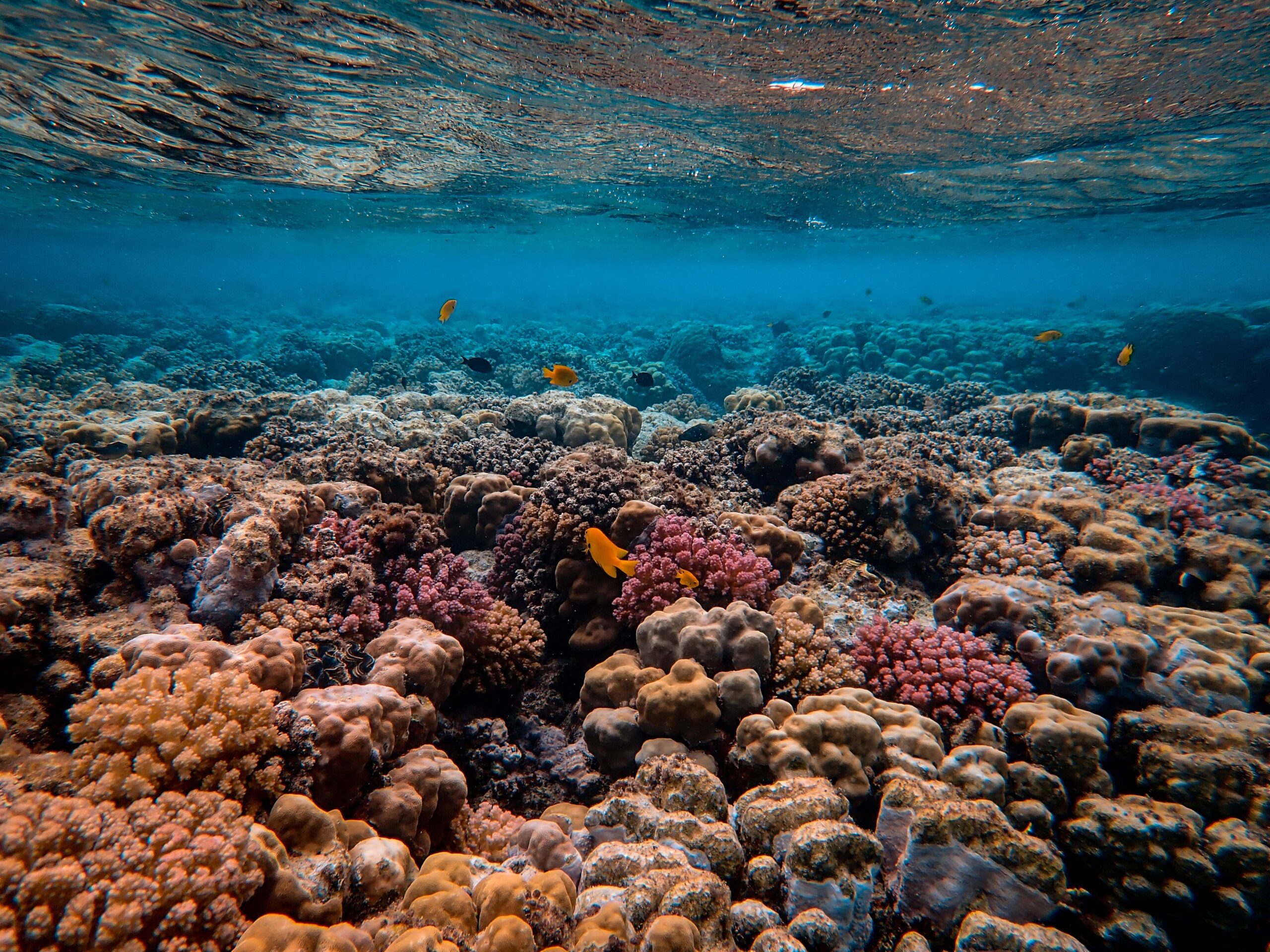
UN SDG 14: Life Below Water: Conserve and sustainably use the oceans, seas and marine resources for sustainable development
ISO/TC 234, ISO’s technical committee for fisheries and aquaculture, focuses mainly on the environmental management of marine resources. This helps companies come up with fisheries and aquaculture concepts and innovations that are also sustainable at the same time. Further, ISO/TC 8, which deals with ships and marine technology, has more than 250 standards that are all concerned with sustainability in one way or another, covering various sectors like design, technology, construction and environmental aspects of shipbuilding.
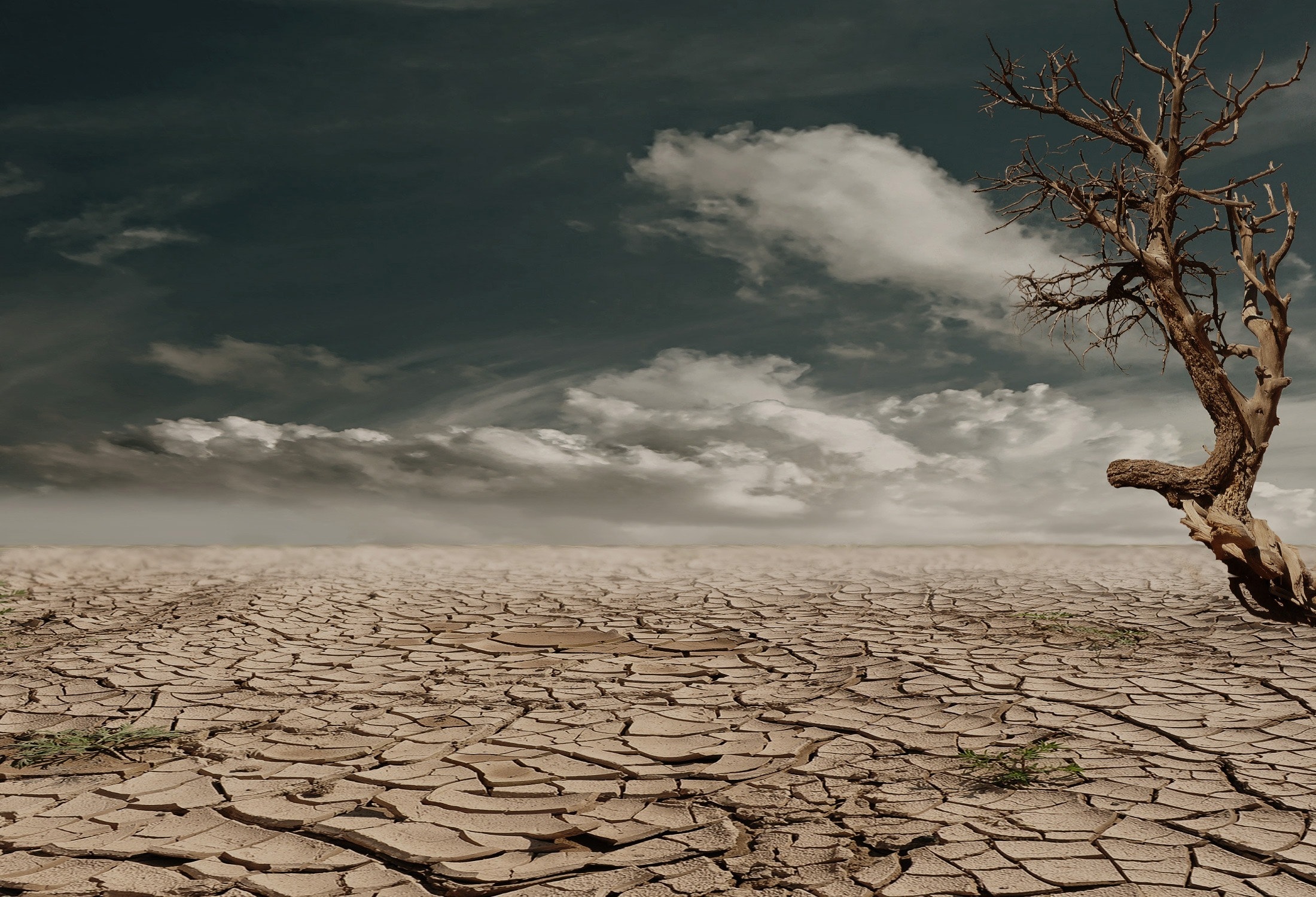
UN SDG 15: Life on Land: Protect, restore and promote sustainable use of terrestrial ecosystems, sustainably manage forests, combat desertification, and halt and reverse land degradation and halt biodiversity loss
More than 1,000 ISO Standards concern themselves with helping companies make better use of resources in order to protect and promote life on land. Specifically, ISO 14055 deals with environmental management practices for combatting land degradation and desertification, while sustainable forestry is dealt with by ISO 38200 which deals with the chain of custody of wood and woodbased products, thus encouraging sourcing wood from sustainable sources and fighting illegal deforestation.
UN SDG 16: Peace, Justice and Strong Institutions: Promote peaceful and inclusive societies for sustainable development, provide access to justice for all and build effective, accountable and inclusive institutions at all levels
Currently, there are 155 ISO Standards that promote or help companies to meet UN SDG 17. ISO/TC 309 was set up with the specific goal of encouraging effective governance practices, covering everything from direction and accountability, to compliance and corruption. The most important of these standards is the anti-bribery standard, ISO 37001, which encourages transparency and accountability.

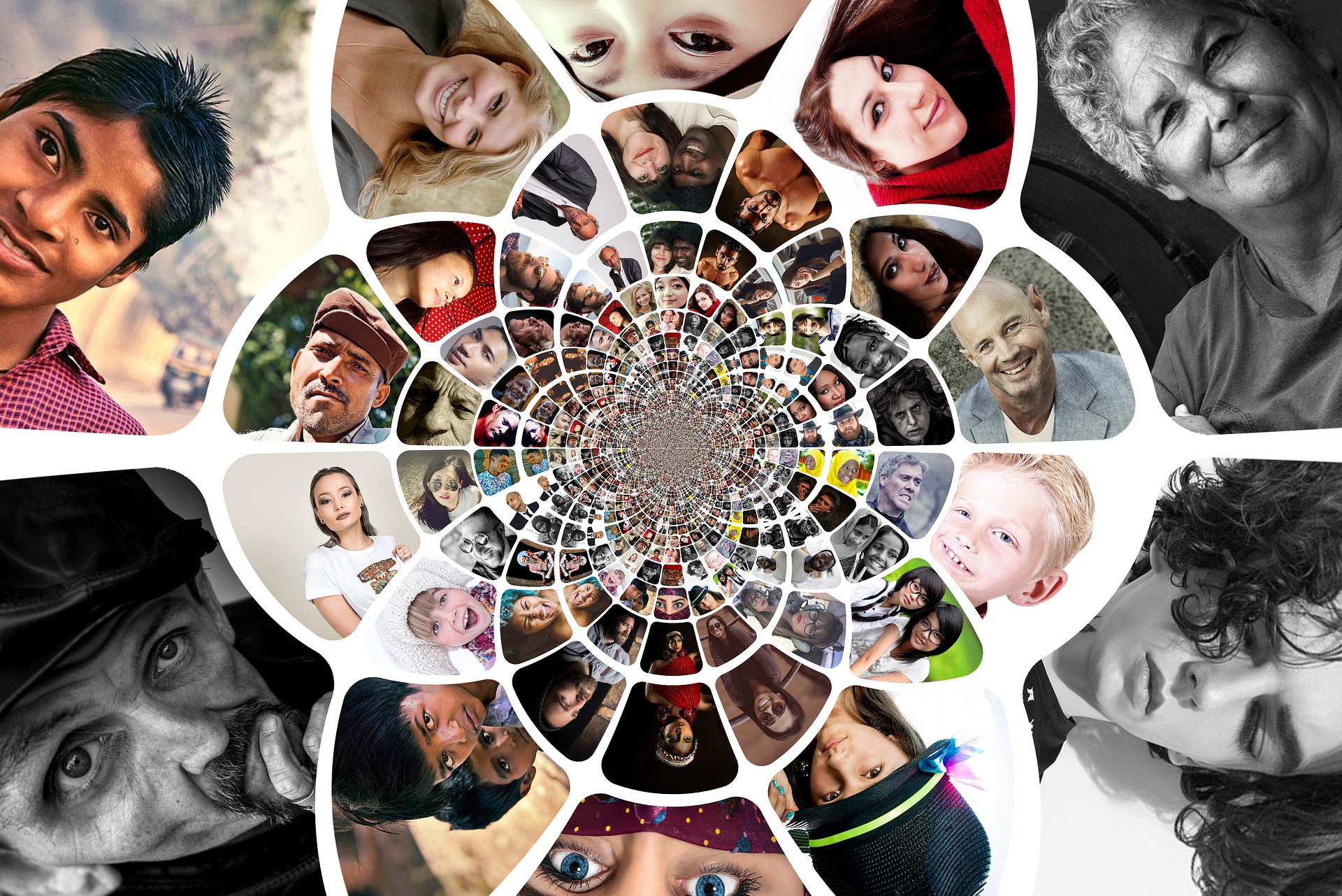
UN SDG 17: Partnerships for the Goals: Strengthen the means of implementation and revitalize the Global Partnership for Sustainable Development
Global partnerships are at the core of how ISO functions. Each ISO Standard is developed through the sustained collaboration between numerous individuals, organizations and governmental bodies, which ensures that the goals and benefits of each standard is applicable across the world over a wide variety of sectors. ISO also works to reinforce the abilities and capacities of developing countries, by helping them strengthen their infrastructure and other requirements so that they can participate on a global level.